
Getting a street closure permit in Sacramento is a required step for many projects and events. The process involves multiple city departments, specific forms, and firm deadlines. Whether you are planning a block party, a special event, or a construction project, understanding the rules saves time and prevents costly delays. This guide answers the most common questions about temporary street closure permits in Sacramento so you can move forward with confidence.
We have supported contractors, event organizers, and utility crews across Northern California for 50 years. We know this process well and want to help you navigate it the right way.
What Is a Street Closure Permit?
A street closure permit is an official document issued by the city. It gives you the legal authority to temporarily close a public right of way. This includes streets, alleys, intersections, and portions of any roadway open to vehicular or pedestrian traffic.
The permit ensures that traffic is managed safely during your activity. It protects the public and keeps your project legally authorized within city boundaries.
Without this permit, you cannot legally block any street in Sacramento. You also risk fines, forced removal of equipment, and significant liability if an incident occurs during your closure.
Who Needs a Street Closure Permit in Sacramento?
A wide range of people and organizations need this permit. The most common applicants include:
- Contractors and construction crews working in the public right of way
- Event organizers hosting parades, festivals, or community gatherings
- Utility crews performing maintenance or emergency repairs
- Homeowners and neighborhood groups planning a block party
If your activities will interfere with vehicular or pedestrian traffic in any way, you need a permit. This applies to both residential streets and arterial streets throughout Sacramento.
What Types of Activities Require a Temporary Street Closure?
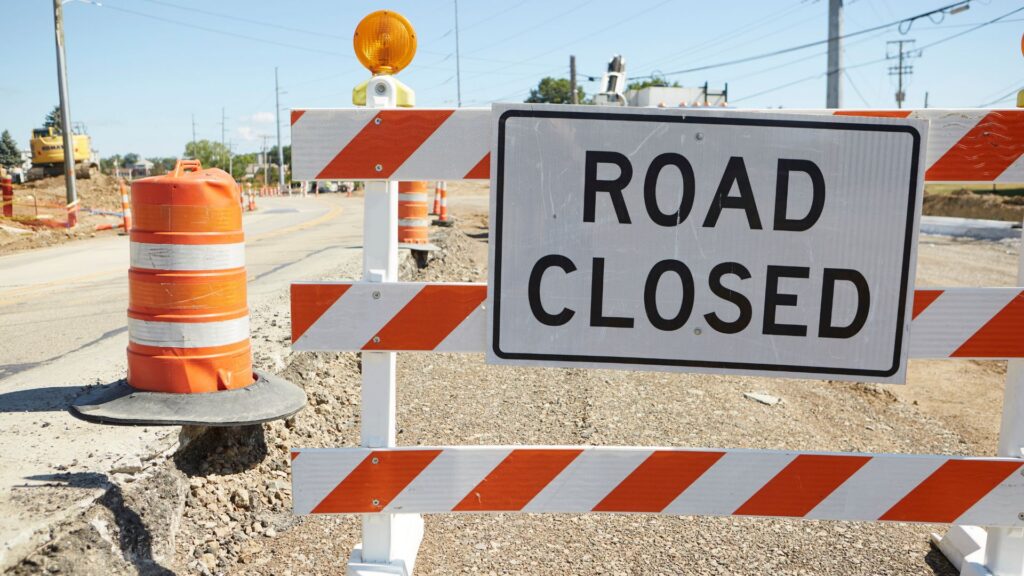
The city of Sacramento recognizes several categories of street closures. Each comes with its own rules and required documentation.
Block Parties
A block party on a residential street is one of the most common reasons people apply for a temporary closure. The process is typically simpler than other closure types. However, you still need to submit the proper form and receive approval before the date of your event.
Neighbors along the affected block must be notified in advance. The city may require signatures from a certain percentage of residents before your application is accepted.
Special Events
A special event closure is more involved. These often affect arterial streets or large portions of the city. Examples include festivals, charity walks, concerts, and food vendor gatherings.
Special event applicants often work with multiple departments. You may need sign-off from the police department, fire department, and public works before the city manager or city council grants final approval.
Parades
Parades require advance planning and close coordination with the city. Your proposed route must be reviewed for public safety. The city will assess whether the closure will interfere with emergency vehicle access or major traffic corridors.
Construction and Utility Work
Contractors and utility crews frequently need a temporary street closure during active projects. This typically falls under the public works permit process. Traffic plans are often required as part of the application.
A traffic control plan shows how vehicular and pedestrian traffic will be safely redirected during the closure. The city uses this document to evaluate whether your proposed setup meets safety criteria.
How Do You Apply for a Street Closure Permit in Sacramento?
Here is a step-by-step look at the general procedure for submitting your street closure permit application in Sacramento.
Step 1: Determine the Type of Closure You Need
First, determine whether your closure affects a residential street, arterial street, or alley. The type of closure determines which department handles your application. It also affects the fee structure and the required supporting documents.
Step 2: Contact the Correct Department
For most special events, you will work with the City of Sacramento Special Events Office. For construction-related closures, the Department of Public Works typically handles the review process. Search the city’s website for the appropriate office and contact information. When in doubt, call directly and ask which department is responsible for your type of request.
Step 3: Complete the Application Form
Download and complete the required form for your closure type. The application will ask for the following:
- The proposed date and length of the closure
- The specific location, including street names and intersection details
- The reason for the temporary closure
- A description of activities that will occur in the public right of way
- Contact information for the responsible party on-site
Be thorough when filling out the form. Incomplete applications often get delayed or rejected before the review process even begins.
Step 4: Prepare Your Supporting Documents
Depending on your closure type, you may need to provide:
- A traffic plan showing detour routes and traffic control placement
- Proof of liability insurance
- A site map or diagram of the proposed closure area
- A vendor list if food or commercial activities are involved
- A description of any special conditions that exist at the location
Event organizers with outside vendors or food service should disclose this information upfront. The city uses these details to determine if additional conditions apply to your permit.
Step 5: Submit Your Application in Advance
Submit your application well before the event date. The city requires enough advance notice to complete its review. Most standard applications need to be submitted at least 30 days before the proposed closure date.
Larger events with a public hearing requirement may need 60 to 90 days or more. Review the specific instructions for your application type to confirm the required timeline.
Step 6: Pay the Required Fee
A fee is associated with most street closure permits in Sacramento. The cost varies based on the type of closure, the length of the closure, and the size of the affected area.
Some closures involving non-profit organizations may qualify for a reduced fee. Ask about this when you contact the appropriate department. You will typically need to pay in advance before the city finalizes approval.
What Criteria Does the City Use to Approve or Deny a Permit?
The city evaluates each application based on specific findings and criteria. These are the most common factors that influence the determination:
- Whether the closure creates a safety risk to the public
- Whether the proposed traffic detour is safe and practical
- Whether emergency vehicles can still access the affected area
- Whether the closure will significantly interfere with traffic on arterial streets
- Whether nearby residents and businesses have been notified
- Whether the following conditions exist: adequate signage, proper barricades, and a designated responsible party on-site
If any of these conditions are not met, the city may deny your application. The city may also require changes before granting approval.
What Happens After You Submit Your Application?
After submitting, your application goes through a formal review process. The city notifies you in writing once a determination has been made.
If your request is approved, you will receive a permit outlining the authorized conditions. This document lists the approved date, authorized hours, and any special rules that apply to your closure.
If your request is denied, the city will explain the reason. You may have the opportunity to revise and resubmit your application.
For larger events, a public hearing may be required. This gives community members and businesses a chance to weigh in on your proposed closure. The city council or city manager may make the final decision in these cases.
What Traffic Control Equipment Is Required?
Once your permit is approved, you are responsible for setting up proper traffic control. The city will specify what is required in your permit conditions.
Common equipment used for temporary street closures includes:
- Traffic barricades and cones to mark the closure zone
- Detour signs to redirect vehicular traffic safely around the closed area
- Pedestrian signs to guide foot traffic during the closure
- Arrow boards or message boards for high-visibility notification
Capitol Barricade provides rentals and sales of all the equipment needed for a temporary closure in Sacramento and throughout Northern California. We supply everything from standard road signs to full barricade setups for large-scale events.
Our team can also help you develop a compliant traffic plan to submit with your permit application. Getting the plan right the first time reduces delays and keeps your project on schedule.
How Far in Advance Should You Apply?
Timing is one of the most important parts of this process. Waiting too long is one of the most common mistakes applicants make when applying for a street closure permit in Sacramento.
As a general guideline:
- Block parties on residential streets: Apply at least 2 to 4 weeks in advance
- Small special events: Apply at least 30 days in advance
- Large events or parades: Apply 60 to 90 days in advance
- Events requiring a public hearing: Apply as early as 90 to 120 days in advance
The city will not approve a permit if there is not enough time to complete the review. Plan early and submit before the deadline to protect your proposed date.
What Are Common Reasons Applications Get Rejected?
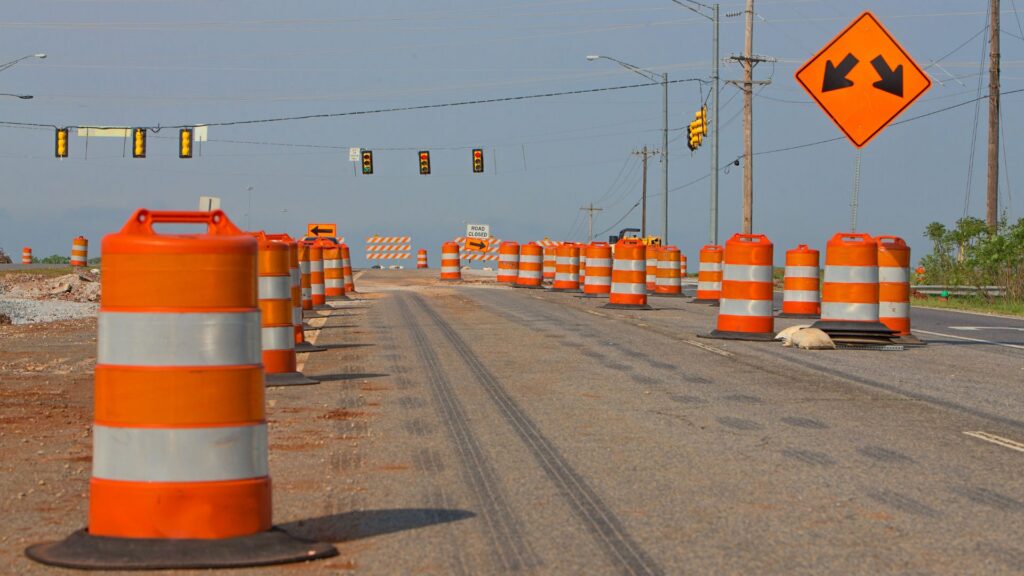
Understanding why applications fail helps you avoid the same mistakes. The most common reasons for rejection include:
- Submitting an incomplete form or missing supporting documents
- Applying too close to the proposed closure date
- Not providing a proper traffic control plan
- Failing to notify nearby residents or businesses
- Proposing a closure that interferes with emergency vehicle access
- Not accounting for parking removal requirements along the affected portion of street
- Failing to list all vendors or food service activities on the form
Review all instructions carefully before submitting. If something is unclear, contact the appropriate department before the deadline and ask for clarification.
Does Capitol Barricade Help with the Permit Process?
We do not submit permits on your behalf. However, we support you every step of the way on the traffic control side of the process.
Our team has worked on hundreds of permitted closures across Northern California. We understand what traffic control plans need to include. We know what equipment the city expects to see authorized and in place on-site.
When you contact us, we can help you identify the right equipment for your closure type. We also offer guidance on traffic plan layouts to make the city’s review process smoother and faster.
Capitol Barricade: Sacramento’s Traffic Control Authority
For 50 years, Capitol Barricade has served contractors, event organizers, and utility crews across Northern California. We are a full-service traffic control company offering equipment rentals, sales, and professional vehicle graphics.
Capitol Barricade 6001 Elvas Ave, Sacramento, CA 95819
Whether you need a single barricade or a full closure setup, we have the equipment and the experience to get it done safely and on time.
Ready to Set Up Your Street Closure?
Getting a street closure permit in Sacramento requires planning, the right paperwork, and proper traffic control on the ground. We handle the equipment side so you can focus on everything else.
Call us today at 916-451-5176 or visit our contact page to get started. Capitol Barricade is ready to help.