
Rent traffic control equipment for short or occasional jobs, or when you need specialty devices like arrow boards. Buy when your crew uses the same items weekly, has storage space, and can keep them compliant. Most contractors land on a mix of both.
The right split depends on how often you work, what you need, and where you work. Here is how to sort it out.
The Quick Answer: Rent, Buy, or Mix
Use this as a starting point before you run your own numbers:
- Rent for one-time jobs, seasonal peaks, and projects that need devices you rarely use.
- Buy for small, high-use items your crew puts out on most jobs.
- Mix when you have steady daily work plus occasional larger closures.
A paving contractor might own cones and stop/slow paddles. The same crew might rent a Type III barricade set or a message board for a lane closure. That split keeps capital free while covering everyday needs.
How to Find Your Break-Even Point

The break-even point is where total rental spending matches the full cost of owning. Past that point, buying usually costs less.
Use this simple formula:
Break-even jobs = (Purchase price + yearly ownership costs) ÷ Rental cost per job
Ownership costs go beyond the sticker price. Include these in your math:
- Storage: Yard or trailer space for equipment between jobs.
- Transport: Truck time and labor to haul gear to and from each site.
- Cleaning and repair: Washing, replacing lights and batteries, fixing damaged parts.
- Replacement: Cones and barricades get hit, faded, and lost.
- Compliance upgrades: Devices that no longer meet current standards must be retired.
Here is an illustrative example. Say a device costs $1,000 to buy and $50 per job to rent. Add $200 a year for storage and upkeep. Your break-even is 24 jobs in the first year. Run fewer than that, and renting likely wins. These figures are placeholders, so plug in real quotes for your project.
Repeat the math for each item type. Cones often break even fast. Trailer-mounted devices often take much longer.
Which Equipment Crews Usually Buy
Small, durable devices that go out on nearly every job are strong candidates for ownership.
- Traffic cones: Low cost per unit and used constantly. Learn whether you need reflective or non-reflective cones before you order.
- Delineators and channelizers: Easy to stack and store for routine lane shifts.
- Stop/slow paddles: Inexpensive and essential for any flagging crew.
- Signs and stands: Standard warning signs get reused on almost every setup. Custom signs for repeat clients also make sense to own.
- High-visibility vests and rain gear: Personal gear your crew needs daily.
Capitol Barricade sells traffic control devices, stock and custom signs, cones, and barricades from its Sacramento location.
Which Equipment Crews Usually Rent
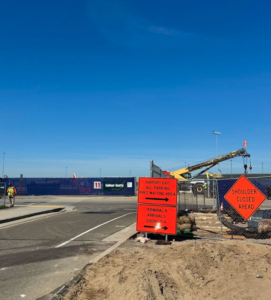
Larger, costly, or specialized equipment often makes more sense to rent. These items need maintenance, transport, and storage that small crews may not have.
- Arrow boards: Useful for lane closures but idle on many jobs. See whether you can rent an arrow board for a one-day job.
- Portable changeable message boards: High upfront cost and not needed on every project. Compare a message board vs. an arrow board to see which fits.
- Type III barricades: Bulky to store and haul. Review the differences between Type I, II, and III barricades first.
- Water wall barriers and pedestrian rail: Needed for specific closures, not daily work.
- Speed trailers and advance warning beacons: Short-term tools for specific site conditions.
- Striping machines: A Graco LineLazer is a major purchase for crews that stripe only now and then.
Electronic signs follow the same logic. This guide on what to rent vs. buy for electronic traffic signs covers them in more detail.
The 2026 MASH Deadline and What It Means for Owned Equipment
Compliance standards change, and owned equipment does not update itself. That risk falls on the owner.
Crash-tested work zone devices are now held to a standard called MASH. MASH stands for the Manual for Assessing Safety Hardware. It replaced the older NCHRP Report 350 testing standard.
A 2020 Caltrans memo on MASH work zone devices sets a firm cutoff. NCHRP 350 temporary traffic control devices will not be permitted on the State Highway System after December 31, 2026. Category 2 devices, which include barricades and portable sign supports, must meet MASH 2016 after that date.
What this means if you are deciding to buy:
- Check before you buy used. Older barricades and sign stands may not meet MASH.
- Audit what you own. Identify which devices were tested to NCHRP 350 only.
- Ask your agency. City and county projects may set their own rules. Confirm requirements before you bid.
- Consider renting during the switch. Renting MASH-compliant devices avoids replacing a whole fleet at once.
Trailer-mounted signs like arrow boards and message boards fall under a separate category. The memo notes they are exempt from crash testing.
Keeping Owned Equipment in Compliant Condition
Owning gear means you are responsible for its condition on every job. Faded cones, dirty sheeting, and bent stands reduce visibility for drivers.
The American Traffic Safety Services Association publishes quality guidelines for temporary traffic control devices. They rate devices as acceptable, marginal, or unacceptable. Many crews use guides like this to decide when to retire gear.
Build these habits into your routine:
- Inspect after each job. Pull damaged or faded devices before the next setup.
- Clean reflective surfaces. Dirt cuts retroreflectivity, especially at night.
- Track purchase dates. Note when and where each item was bought, plus its crash test standard.
- Budget for replacement. Plan to replace a share of cones and barricades every year.
Rental equipment shifts that work off your crew. Capitol Barricade’s rental equipment goes through regular inspections for function and reliability.
Tax and Cash Flow Considerations
Buying ties up cash that could go toward payroll, materials, or other equipment. Renting spreads cost across jobs and can be billed into each project.
Owned equipment can also be depreciated. The IRS explains depreciation and Section 179 for business property. Section 179 lets eligible businesses deduct qualifying property the year it goes into service, up to a limit. Rules and limits change, so talk with your accountant before you buy for tax reasons.
Questions to Ask Before You Decide
Run through this checklist for each piece of equipment:
- How many jobs a year will use this item?
- What is the rental cost per job compared to the purchase price?
- Do we have secure storage and a way to transport it?
- Who will inspect, clean, and repair it?
- Does it meet MASH and the agency’s current requirements?
- Will we still need it in 2 or 3 years?
If most answers point toward low use or high upkeep, rent. If the item goes out weekly and is easy to maintain, buy.
Frequently Asked Questions
Is it cheaper to rent or buy traffic cones?
Buying is usually cheaper for crews that use cones on most jobs. Cones cost little per unit and break even quickly. Occasional users may still save by renting.
How long can you rent traffic control equipment?
Rental periods vary by supplier and project. Capitol Barricade offers flexible rental options sized to your project’s length. Read more about short-term and long-term rentals.
Can I keep using my older barricades after 2026?
Not on the California State Highway System if they only meet NCHRP 350. Caltrans requires MASH 2016 for barricades and sign supports deployed after December 31, 2026. Check local agency rules for other roads.
Should I buy used traffic control equipment?
Used gear can save money, but check its condition and crash test standard first. Avoid older barricades and sign stands that do not meet MASH.
What should I expect when renting?
Expect a quote, a set rental period, and guidance on placement. This overview of what to expect when you rent traffic control equipment walks through the process.
Rent, Buy, or Both: Talk to a Sacramento Supplier
Capitol Barricade has supplied Northern California contractors for 50 years. Crews can rent traffic control equipment or buy it outright from one local source. The team also handles traffic control plans and service and installation.
Not sure which way to go on your next job? Call 916-451-5176 with your project details. We will help you compare renting and buying for each item on your list.