- 6001 Elvas Ave, Sacramento
- (916) 451-5176



When planning construction projects on busy roadways, one question often comes up: what is the maintenance of traffic zone in a traffic control plan? Understanding this concept is crucial for contractors, developers, and public agencies that want to improve safety, maintain traffic flow, and stay compliant with regulations.
At Capitol Barricade, we help clients design and implement traffic control plans that meet local and federal guidelines while protecting road users, workers, and property. In this guide, we will explain what the maintenance of traffic zone is, how it fits into a traffic plan, and why it plays such an important role in work zone safety.
To answer the question directly, what is the maintenance of traffic zone in a traffic control plan?
The maintenance of traffic zone is the designated area within a traffic control plan where traffic is managed during construction, maintenance, or road work activity. It includes all temporary traffic control measures that help vehicles, pedestrians, and cyclists move safely through or around a work zone.
Maintenance of traffic, often referred to as maintenance of traffic MOT, ensures that traffic flow continues while construction work is taking place. Whether the project involves highway resurfacing, utility installation, or real estate development, an effective mot plan outlines how to manage vehicles, adjust signals, and protect workers.
Agencies such as the Federal Highway Administration establish guidelines for temporary traffic control through the Manual on Uniform Traffic Control Devices. In California, Caltrans provides additional standards that contractors must follow for approved maintenance on highways and local roadways.
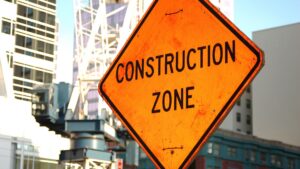
The maintenance of traffic zone is located within and around the work zone. It covers several structured areas that guide drivers safely through construction zones.
A typical traffic control setup includes:
Each zone plays a crucial role in traffic management. The maintenance of traffic zone is not limited to just one point. It spans all areas that manage traffic during the construction phase of a project.
A well developed mot plan includes multiple traffic control devices and operational strategies to improve safety and reduce risk.
Common components include:
Temporary traffic control measures must be detailed in the traffic control plan submitted for approval. The contractor must follow the approved plan exactly as written unless adjustments are authorized by the governing agency.
For example, if a construction project is taking place on high speed highways, the advanced warning area may extend much farther than it would on local streets. The distance and location of each sign and device are determined by established guidelines and the specific conditions of the site.
The importance of maintenance of traffic cannot be overstated. Every year, accidents occur in construction zones due to improper signage, inadequate barriers, or poor traffic flow design. A properly designed maintenance of traffic zone helps reduce confusion, alert drivers early, and protect workers.
Key safety benefits include:
When traffic control is inconsistent or poorly implemented, drivers may not receive clear signals about changing road conditions. This increases the likelihood of accidents and creates hazards for road users and workers.
By developing traffic control plans that follow federal highway administration standards and state specific requirements, contractors can improve safety and maintain consistent traffic management throughout the project.
Beyond safety, maintenance of traffic also supports overall project success.
During construction and maintenance activity, businesses still need access, emergency vehicles must reach their destinations, and the transportation system must continue operating efficiently. An effective maintenance of traffic zone allows construction work to move forward without bringing roadways to a halt.
For real estate development and large infrastructure projects, traffic management planning is often required before approval is granted. Agencies will review the traffic plan in detail to ensure that traffic flow, signage, and device placement meet regulatory standards.
If the plan does not meet guidelines, the project may be delayed until revisions are approved. This highlights the importance of working with experienced professionals who understand how to develop compliant traffic control solutions.

Every project presents unique challenges. Factors that may require adjustments include:
In these cases, intelligent transportation systems and additional traffic signals may be necessary to manage vehicles safely. The contractor must remain flexible while maintaining adherence to the approved maintenance plan.
Consistent monitoring is also important. As construction progresses, the activity area may shift. The maintenance of traffic zone must be updated accordingly to reflect changes in location, barriers, and signage.
Developing an effective maintenance of traffic plan requires knowledge of federal, state, and local requirements. It also requires a deep understanding of how traffic behaves under different roadway conditions.
At Capitol Barricade, we specialize in developing and implementing traffic control plans for a wide range of construction projects. From short term road work to long term highway construction, our team ensures that every detail is accounted for, from advanced warning area placement to termination area design.
We work closely with contractors, public agencies, and developers to secure approval, deploy traffic control devices, and maintain consistent safety standards throughout the project lifecycle.
So, what is the maintenance of traffic zone in a traffic control plan?
It is the structured system of temporary traffic control measures that manage traffic safely through or around a work zone during construction and maintenance activity. It includes warning signs, barriers, pavement markings, signals, and clearly defined zones that guide motorists and protect workers.
When properly designed and implemented, maintenance of traffic improves safety, maintains traffic flow, reduces risk, and supports efficient project completion.
If you are planning construction, maintenance, or real estate development and need help developing or implementing a compliant traffic control plan, contact Capitol Barricade today. Our experienced team is ready to assist with traffic control planning, approved maintenance solutions, and on site traffic management to keep your project moving safely and efficiently.