- 6001 Elvas Ave, Sacramento
- (916) 451-5176



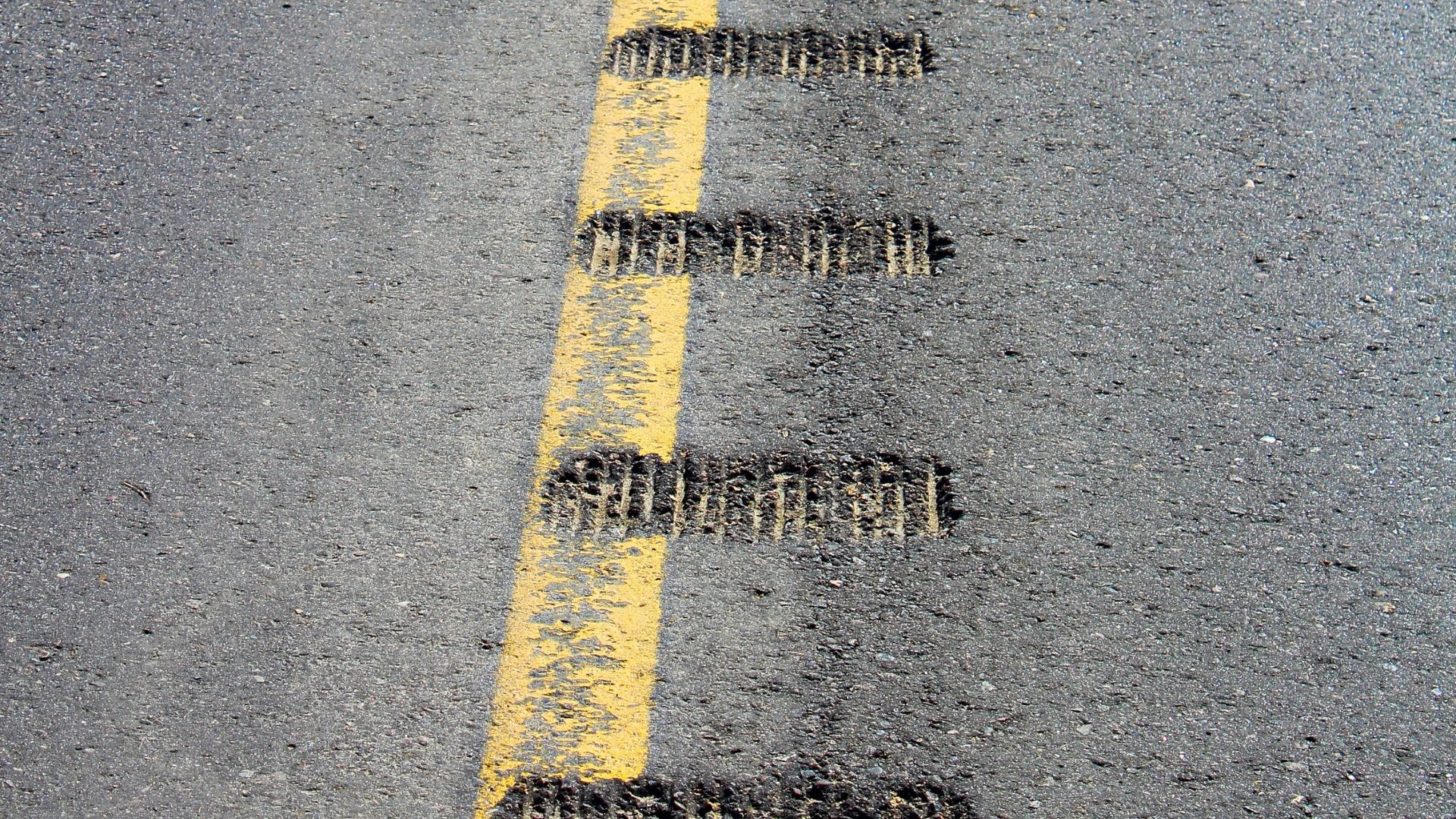
Rumble strips are one of the most effective and low-cost safety features used on highways and rural roads. They serve a simple but critical purpose: to alert drivers when vehicles drift out of the travel lane, helping to prevent run off the road crashes, head on collisions, and other common highway incidents. Knowing when should rumble strips be installed on roadways is essential for transportation officials, paving contractors, and highway maintenance agencies who aim to improve safety for all roadway users.
At Capitol Barricade, we provide rumble strips for rent or sale and guide clients on proper installation to meet safety standards. In this article, we will explore installation guidelines, types of rumble strips, location considerations, and operational needs for maximum safety benefits.
Rumble strips provide both tactile vibration and audible rumbling when vehicles drift out of their lane. This alert can warn drivers who are inattentive, fatigued, or distracted, reducing the risk of cross over crashes, run off the road crashes, and other crash types. Edge line rumble strips along the shoulder and centerline rumble strips between lanes of oncoming traffic are both widely used to improve safety on two lane and rural freeways.
These strips are especially effective on rural two lane roads where high speed and narrow shoulders increase the likelihood of vehicles leaving the traveled way. Studies conducted by the federal highway administration show that properly installed rumble strips can significantly reduce run off the road and head on collisions.
There are two main methods for installing rumble strips:


Roll out rumble strips are specifically designed commercially and applied during new paving operations. They are created using modified rollers that form grooves or sleeper lines into hot asphalt. This method is commonly used on freshly paved shoulders and provides immediate safety benefits. Roll out rumble strips help alert drivers and improve safety from the moment the pavement is open to traffic, making them a reliable choice for new construction and resurfacing projects.
Both methods produce tactile vibration and audible lines that help alert inattentive drivers. The choice between mill rumble strips and rolled in rumble strips depends on whether the roadway is new or existing, traffic volumes, and project budget.
Rumble strips can be installed along the edge line of the traveled way, the shoulder area, or as centerline rumble strips to separate lanes of oncoming traffic. Location is determined based on several factors:
When installing shoulder rumble strips, paving contractors must consider:
Proper shoulder rumble strip installation helps alert inattentive drivers and reduces the potential danger of run off the road crashes, flat tires, and vehicles leaving the roadway.
The safety benefits of rumble strips are clear:
By installing rumble strips strategically, transportation officials can significantly improve safety and reduce accidents on rural and urban roadways.
Before installing rumble strips, agencies and contractors should evaluate:
Following guidelines from the federal highway administration and state DOTs ensures that rumble strip installation aligns with safety standards and provides long-term benefits.
Knowing when should rumble strips be installed on roadways is essential for any road safety initiative. Whether as mill or rolled-in rumble strips, these devices provide vibration and rumbling to alert drivers.
They help reduce the risk of run-off-road and crossover crashes. Proper placement along the edge, shoulder, or centerline maximizes safety for vehicles, bicyclists, pedestrians, and workers.
At Capitol Barricade, we offer rumble strips available for rent or sale, along with guidance for proper installation to meet federal highway administration standards and state DOT requirements. Check out our options today to improve safety on your next roadway project.