- 6001 Elvas Ave, Sacramento
- (916) 451-5176
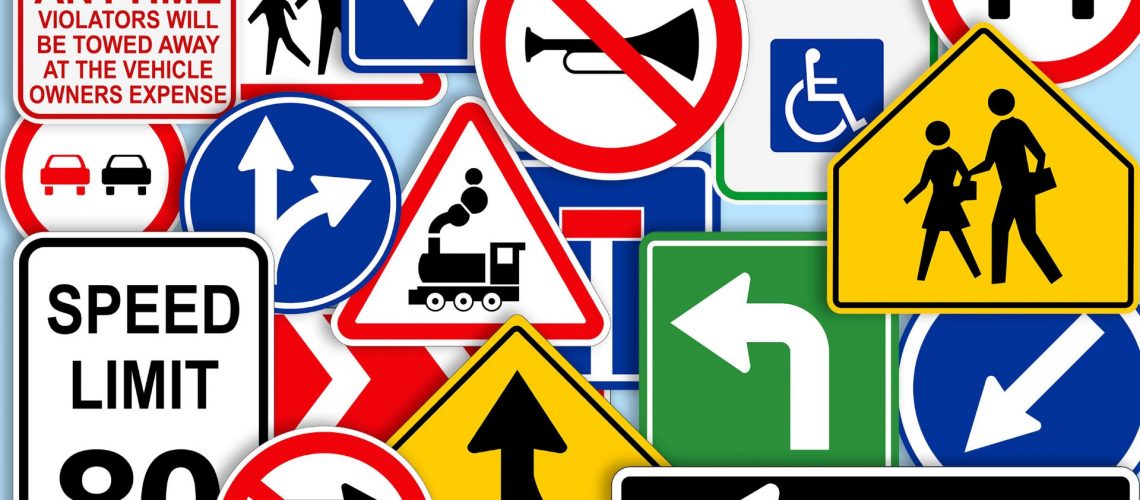
Every driver shares the road with hundreds of traffic signs daily. But do you actually know what each one means? The three categories of traffic signs are regulatory, guide, and warning. Understanding these three basic categories helps drivers stay safe and avoid a traffic violation. At Capitol Barricade, we work with traffic signs and traffic control every day. We want to help you understand the road ahead.
Traffic signs fall into three categories. Each category serves a different purpose for drivers. Learning these categories makes you a safer, more informed driver. Let’s break down each one.
Regulatory signs tell drivers what they must or must not do. These signs enforce traffic laws on every roadway. Ignoring them can result in a traffic violation or worse. Most regulatory signs use black lettering on a white background.
Stop Signs Stop signs are one of the most recognized regulatory signs. They require drivers to come to a full stop at the stop line. You must yield the right of way before proceeding. Running a stop sign puts everyone at risk.
Yield Sign A yield sign requires drivers to slow down. You must let cross traffic or merging traffic pass first. The first vehicle with the right of way goes first. Yield signs are common at highway on-ramps and intersections.
Speed Limit Signs Speed limit signs tell drivers the maximum legal speed. These signs change based on road conditions and location. Always adjust your speed in work zones or school areas. Exceeding the posted speed limit is a traffic violation.
No Passing Zone A no passing zone sign prohibits passing other vehicles. These appear on winding road sections or hills. Passing in these zones puts drivers traveling in the opposite direction at risk. Always obey no passing zone signs.
Wrong Way Wrong way signs protect drivers from entering a road incorrectly. You may see these near highway exit ramps. If you see one, stop immediately and change lanes or turn around. These signs prevent serious head-on collisions.
U-Turn and Left Turn Restrictions Some signs prohibit a left turn or a u-turn entirely. These appear at intersections where certain actions are unsafe. Always follow posted turn restrictions to keep traffic moving safely.
No Parking and Access Restrictions Regulatory signs also govern parking and road access. These signs protect pedestrian crossing zones and emergency lanes. Violating parking signs can result in fines or towing.
Regulatory signs are the backbone of traffic laws. They maintain order and protect everyone on the road. At Capitol Barricade, we supply and place regulatory signs for job sites and roadways. Browse our sign shop or visit our rentals page to learn more.
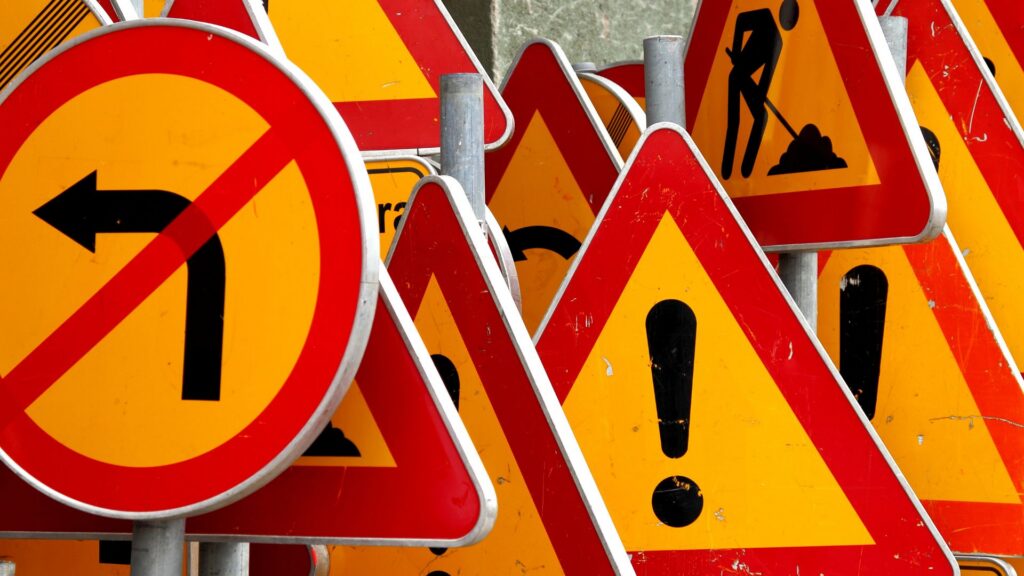
Warning signs alert drivers to potential hazards ahead. These signs give drivers time to react and adjust. Most warning signs are diamond shaped with black symbols on a yellow background. Some work zone warning signs use an orange background with black lettering or black legend.
Warning signs do not give commands like regulatory signs do. Instead, they prepare drivers for what’s coming on the road ahead.
Railroad Crossing A railroad crossing sign warns drivers that tracks cross the road ahead. Slow down and look both ways before crossing. Never stop on railroad tracks under any circumstances. These signs save lives every year.
Deer Crossing Deer crossing signs appear in areas with high animal activity. These diamond shaped signs use black symbols to show the hazard. Slow down and scan the roadside carefully in these areas. Animal crossings are unpredictable, especially at night.
Winding Road A winding road sign warns of multiple curves ahead. Reduce your speed before entering these sections. These signs appear well in advance so drivers can prepare. Ideal conditions still require reduced speed on winding roads.
One Lane Bridge A one lane bridge sign warns that the road narrows ahead. Only one lane of traffic can cross at a time. The first vehicle to reach the bridge typically has the right of way. Yield to oncoming traffic when necessary.
Lane Ends and Added Lane A lane ends sign warns drivers that a traffic lane is ending. Drivers must merge safely before the lane disappears. An added lane sign indicates a new lane is joining the roadway. Both signs help drivers change lanes smoothly and safely.
Two Way Traffic Ahead Two way traffic ahead signs warn drivers leaving a divided highway. Traffic will now travel in both the same direction and the opposite direction. These signs prevent confusion and reduce head-on collisions.
Divided Highway Ends A divided highway ends sign warns that the center lane or median is ending. The road transitions back to two way traffic. Pay close attention to oncoming traffic after this sign.
Flagger Ahead and Road Work Ahead Road work ahead signs use an orange background to signal active work zones. A flagger ahead sign means a person is directing traffic. Slow down immediately and follow their instructions. At Capitol Barricade, we create professional traffic plans for work zones across the region.
Advance Warning Signs Advance warning signs appear well before the actual hazard. These give drivers enough time to react safely. They are critical in areas with high traffic moving at highway speeds.
Pedestrian Crossing Pedestrian crossing signs alert drivers to foot traffic areas. Slow down and watch for pedestrians at all crossings. These signs are especially important near schools and parks.
Traffic Signal Ahead A traffic signal ahead sign warns of an upcoming controlled intersection. Be ready to stop for a red light or yield for a circular green signal. These signs are helpful on high-speed roads where signals are unexpected.
Warning signs save lives when drivers pay attention. They are essential tools in any safe roadway environment. Capitol Barricade provides high-quality warning signs for all types of road situations. Shop warning signs directly in our sign shop or check out our sales page for more options.
Guide signs provide directional and informational support to drivers. These signs help drivers navigate highways, cities, and attractions. Most common guide signs use white lettering on a green background. Service and attraction signs may use blue or brown backgrounds.
Guide signs do not enforce traffic laws. They simply help drivers get where they need to go.
Route Marker A route marker identifies the highway or road you are traveling. Interstate route markers are recognizable shield shapes. State routes use different shapes depending on the state. These signs keep drivers oriented on long trips.
Next Exit Next exit signs tell drivers how far the next exit ramp is. They appear in advance so drivers can safely change lanes. Missing your exit on a divided highway can cost significant time. These signs help drivers plan ahead.
Green Background Directional Signs Green background signs are the most common guide signs on highways. They display city names, distances, and directions. Drivers use these to confirm they are heading the right way. These signs are critical for unfamiliar drivers navigating new routes.
Service Signs Service signs use a blue background to indicate nearby services. These include gas stations, hospitals, food, and lodging. They appear near exits so drivers can plan stops efficiently. These signs are especially helpful on long highway stretches.
National Parks and Recreation Signs Brown background signs direct drivers to national parks and recreational areas. These are common across scenic highways and rural routes. They help tourists access natural landmarks without getting lost.
Center Lane Left Turn A center lane sign designates a lane for left turn movements only. This keeps left-turning traffic out of through lanes. It reduces delays and improves traffic patterns at busy intersections. Always look for center lane markings before turning.
Right Lane and Left Side Designations Guide signs also identify specific lanes on multi-lane roads. Right lane signs often indicate exit-only or slower traffic zones. Left side signs may signal HOV or express lanes. Following these signs keeps traffic moving efficiently.
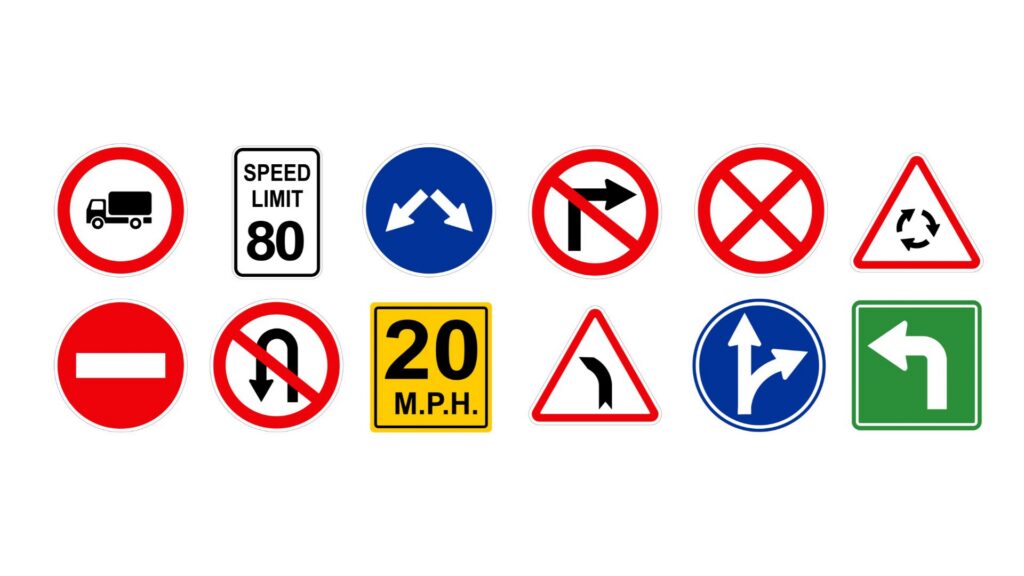
Understanding all three categories of traffic signs is critical in work zones. Regulatory, warning, and guide signs all appear together in construction areas. Proper sign placement protects workers and drivers alike. Poor signage leads to confusion, accidents, and traffic violations.
At Capitol Barricade, we specialize in full traffic control solutions. We provide signs, barricades, and custom traffic plans for projects of all sizes. Our team understands traffic patterns, right of way rules, and stop yield requirements. We also offer pro vehicle graphics for your fleet.
Whether you need signs for a road work project or an event, we have you covered. Browse our full inventory online or contact our team today.
The three categories of traffic signs are regulatory, guide, and warning. Each type plays a unique role in keeping drivers safe. Regulatory signs enforce traffic laws. Warning signs prepare drivers for hazards. Guide signs help drivers navigate efficiently.
Knowing these signs makes you a better driver. It also helps you understand why proper signage matters in every roadway situation. From speed limit signs to flagger ahead alerts, every sign has a purpose.
Need traffic signs, barricades, or traffic control solutions? Call Capitol Barricade today at 916-451-5176. Our team is ready to help with rentals, sales, and full traffic plans. Contact us now and let’s keep your roads safe.