- 6001 Elvas Ave, Sacramento
- (916) 451-5176
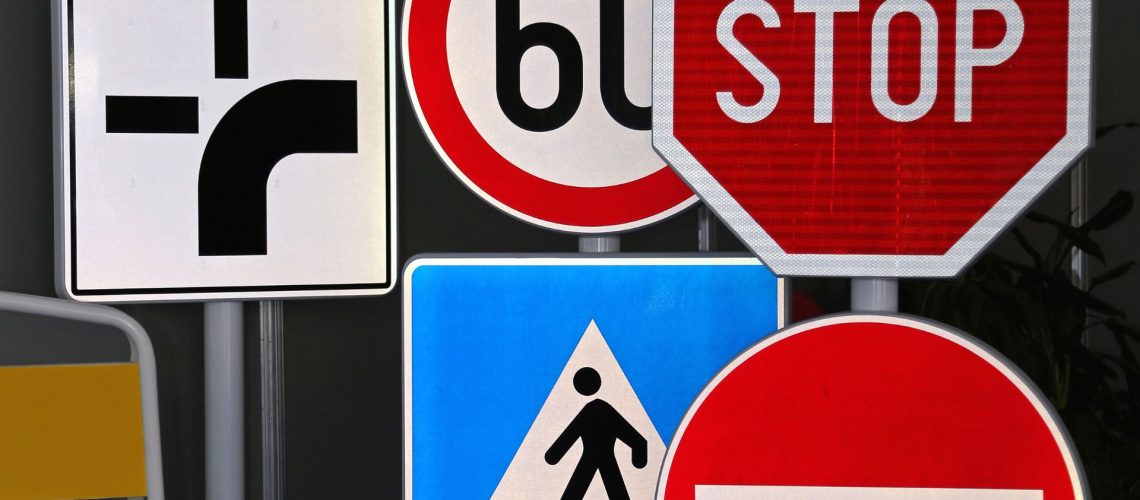
Understanding road sign colors meaning is essential for every driver. Traffic signs use specific colors and shapes to quickly communicate important information, ensuring safety on the roadway. Knowing what each traffic sign or road sign color represents helps drivers identify hazards, follow regulations, and respond correctly to changing traffic conditions.
At Capitol Barricade, we have over 50 years of experience providing traffic control and temporary traffic control services across California. Our team understands the role of traffic sign colors in keeping drivers, pedestrians, and construction crews safe.

Red signs are universally associated with stop, yield, or prohibition. For example, a stop sign with a red color indicates a full stop is required before proceeding through an intersection. Similarly, a yield sign uses red and white to alert drivers to slow down and give the right of way.
White signs with black text typically indicate regulations, such as speed limit, parking rules, or lane restrictions. These regulatory signs are critical for maintaining safe traffic flow and ensuring drivers comply with traffic regulations. White rectangles are a common shape for these signs, making them easily recognizable.
Other regulatory examples include enter signs, u turn restrictions, and route guidance. Using red, white, and black helps drivers quickly identify rules and limits on the roadway.
Warning signs alert drivers to potential hazards or changes ahead. Traditional yellow signs indicate caution, curves, intersections, or school zones. Signs for school zones or school bus stops often feature a fluorescent yellow green background for maximum visibility during the day.
Warning signs frequently use a diamond shape to distinguish them from regulatory signs. Common examples include pedestrian traffic, lane merges, or upcoming curves. Using yellow light or yellow backgrounds ensures drivers notice hazards in time to slow down or adjust their lane.
Fluorescent yellow signs enhance safety where extra alertness is needed, such as near schools, parks, and areas with heavy pedestrian activity.
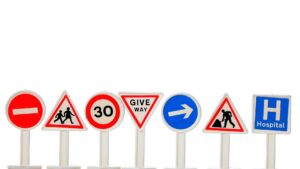
Green signs provide directional information, such as exits, route guidance, and distances to destinations. These green signs help drivers navigate highways and major roads while indicating lane guidance and travel direction. Green lights on traffic signals complement these signs to keep traffic moving safely.
Blue signs indicate services and rest areas, such as gas stations, hospitals, and public recreation locations. These signs are essential for travelers needing to locate fuel, food, or other services on the highway.
Brown signs indicate recreational areas and public recreation facilities. These signs allow drivers to safely access parks, trails, and other leisure destinations.
Orange signs are used exclusively in construction zones and temporary traffic control situations. These signs alert drivers to other traffic, lane changes, slow zones, and potential hazards due to work activities. Traffic control in construction areas relies heavily on the visibility and clarity of orange signs to maintain safety for both drivers and workers.
Temporary signs often use fluorescent yellow, yellow green, or orange backgrounds with black text to maximize visibility. Whether marking lane closures, detours, or work zones, these traffic signs play a crucial role in incident management signs and safe roadway operations.
While colors on traffic lights differ from signs, understanding their relationship with road signs is equally important. Red lights indicate a stop, yellow lights signal caution or prepare to stop, and green lights allow drivers to proceed or pass safely. Proper recognition of traffic signals alongside road signs ensures a safe driving environment.
Besides color, different shapes also communicate meaning. For example:
Symbols on signs, combined with sign color, improve comprehension and safety. Drivers can quickly identify whether they need to slow, yield, or watch for pedestrians or other vehicles.
Other signs include enter signs, U-turn signs, speed guidance, and lane use symbols. Traffic sign colors and symbols are standardized across highways and city streets to maintain consistent safety messaging for drivers.
Understanding road sign colors meaning enhances safety for everyone on the roadway, including drivers, pedestrians, and cyclists. Paying attention to traffic control, pedestrian traffic, school buses, and construction zones is critical for avoiding accidents.
With 50 years of experience in traffic control across California, Capitol Barricade has developed a deep understanding of traffic signs, traffic control, and temporary traffic control systems. We help ensure that drivers and pedestrians can safely navigate roadways by providing high-quality signs, equipment, and professional installation services.
Whether you need guidance for regulatory signs, warning signs, construction zones, or incident management signs, our team is here to help.
Keep your roadway safe and compliant with professional traffic control solutions. Contact Capitol Barricade today to learn more about our signage and traffic management services. Let our experience guide your next project and ensure safety for all drivers and pedestrians.