- 6001 Elvas Ave, Sacramento
- (916) 451-5176


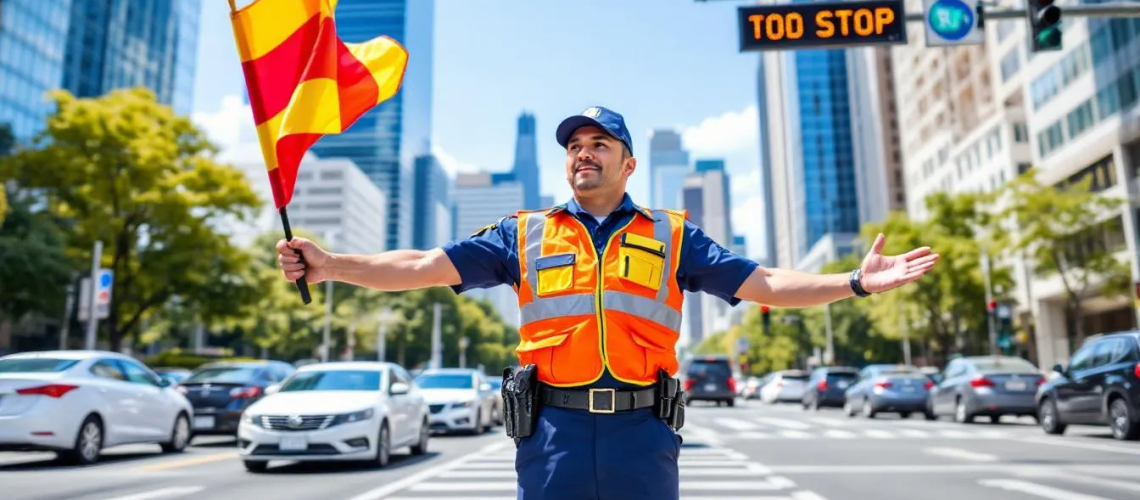
In construction zones and active roadways, a traffic control plan is more than a formality. It is an essential document that outlines how traffic movement will be directed, how workers will be protected, and how safety concerns for motorists and pedestrians will be addressed. When contractors or employers fail to comply with an approved traffic control plan, the consequences can be serious. The consequences range from penalties and job shutdowns to accidents, injury, or even death.
At Capitol Barricade, we’ve know the reality of how traffic control plan violations can create a serious threat to workplace safety and the public. This article explains what can happen when an approved plan is ignored, why compliance matters, and how proper traffic control helps reduce risk, protect workers, and maintain trust with agencies and communities.
A traffic control plan is a prepared document that outlines the details of how traffic will be handled in and around construction zones. It includes signage, cones, barriers, flagging operations, pedestrian routing, and the placement of warning devices to ensure drivers and workers remain visible and safe.
These plans are developed according to law, guidelines, and industry standards designed to address workplace hazards and protect public health. They account for a wide range of factors such as traffic speed, road classification, visibility, and the likelihood of incidents occurring.
When followed correctly, a traffic control plan helps protect workers, assist drivers, and reduce the chance of accidents. When ignored, the same environment quickly becomes high risk.
One of the most immediate consequences of traffic control plan violations is increased safety risks. Construction zones are already classified as high risk environments due to moving traffic, heavy equipment, and changing conditions. A failure to follow the approved plan removes critical safety measures that workers and motorists rely on.
Without proper signage, high visibility vests, high visibility clothing, cones, or barriers installed as directed, workers may not be visible to drivers. This increases the likelihood of serious injury or fatal incidents. In many documented cases, a single missing sign or improperly placed cone has led to preventable harm.
Traffic control is designed to protect workers and keep workers safe. When safety measures are not maintained, employees are exposed to unnecessary workplace hazards that put their health and lives at risk.
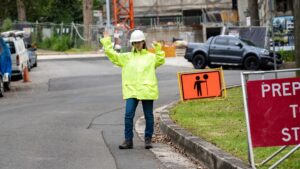
Improper traffic control creates confusion for drivers and pedestrians. Without clear signage or defined traffic movement, motorists may brake suddenly, change lanes unpredictably, or enter closed areas. Pedestrians may unknowingly walk into active work zones.
These situations significantly increase the risk of accidents. Even minor traffic control failures can result in vehicle collisions, struck-by incidents, or injuries involving employees and members of the public. In severe cases, these incidents can lead to serious injury or death.
From a business standpoint, accidents caused by noncompliance can damage reputations, delay projects, and erode public trust.
Traffic control plan violations are not just safety issues, they are compliance issues. Employers and contractors are responsible for ensuring that approved plans are followed exactly as outlined.
Failure to comply may result in:
In some cases, violations can escalate into legal action if an injury or death occurs. Employers may be held responsible for harm caused by inadequate traffic control, especially if a documented plan existed but was not followed.
The cost of noncompliance often far exceeds the cost of doing traffic control correctly from the start.
When traffic control plan violations occur, responsibility often falls on the employer or business managing the worksite. Even if traffic control services are outsourced, employers remain accountable for ensuring proper implementation and maintaining workplace safety.
A failure to enforce compliance can expose a business to lawsuits, insurance claims, and long-term financial damage. It can also affect relationships with municipalities, importers, and agencies that require strict adherence to safety guidelines.
Proper traffic control is not optional, it is an essential part of responsible project management.
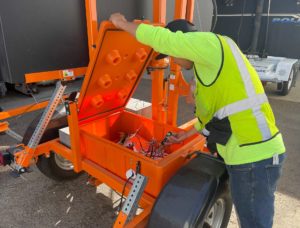
Personal protective equipment plays a critical role in traffic control safety. High visibility vests and clothing help ensure workers are visible to drivers, especially in low-light conditions or high traffic areas.
When workers are not wearing required PPE, or when traffic control devices are improperly installed, visibility decreases and risk increases. These failures directly contribute to workplace hazards and elevate the likelihood of serious injury.
Maintaining PPE standards is a fundamental part of complying with an approved traffic control plan.
Consider an example where a construction crew begins work before all signage is installed as outlined in the plan. Drivers are not given adequate warning, traffic movement is unclear, and pedestrians are not properly directed.
Within minutes, a near-miss incident occurs. In worse cases, these situations result in injuries, accidents, or fatalities. What could have been prevented by following the documented plan instead becomes a reportable incident with lasting consequences.
This is why traffic control plans exist, and why following them is essential.

When traffic control is installed correctly and maintained by a dedicated team, it significantly reduces the risk of incidents. Clear signage, properly spaced cones, visible workers, and controlled traffic flow help create safer environments for everyone involved.
Effective traffic control improves workplace safety, protects workers, and ensures that drivers and pedestrians understand what is happening around them. It also demonstrates professionalism and commitment to safety, which helps build trust with clients, agencies, and the public.
The best way to prevent traffic control plan violations is preparation. Employers should ensure that everyone on site understands the plan, follows the outlined measures, and knows who to contact if conditions change.
Regular inspections, proper training, and working with experienced traffic control providers all help ensure compliance. Traffic control plans should be treated as living documents, reviewed, maintained, and adjusted as needed to remain effective.
At Capitol Barricade, our team is committed to developing and implementing effective traffic control solutions that prioritize safety, compliance, and efficiency. We understand the risks involved in construction zones and work diligently to reduce those risks through proper planning, installing the correct signage, and maintaining high safety standards.
Traffic control is about more than cones and signs, it’s about protecting lives, improving workplace safety, and ensuring projects run smoothly without unnecessary incidents.
If you’d like to learn more about traffic control plans, compliance requirements, or how our dedicated team can assist with your next project, contact Capitol Barricade today. We’re here to help you stay prepared, prevent violations, and build safer work zones you can trust.