- 6001 Elvas Ave, Sacramento
- (916) 451-5176

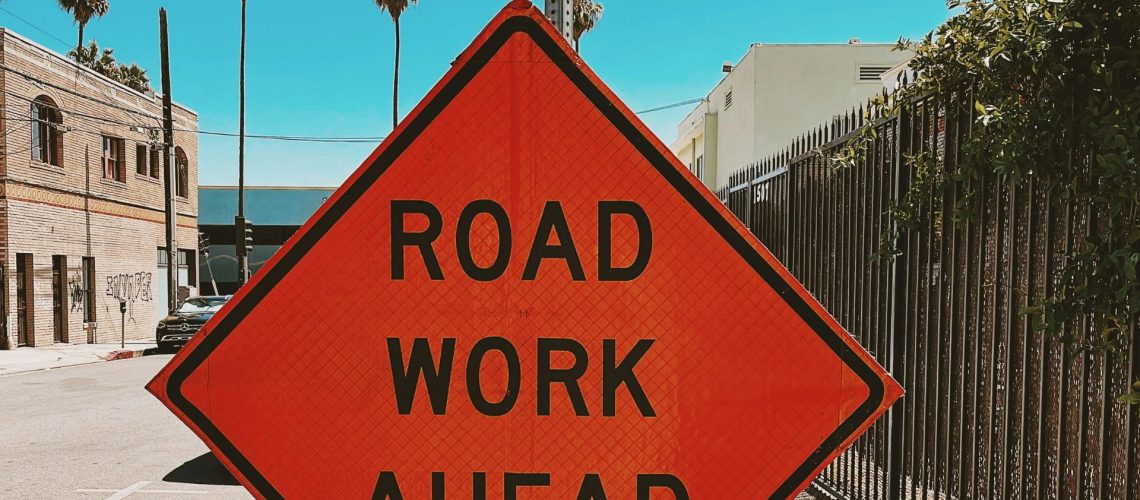
If you have ever driven through a construction zone and noticed orange signs, cones, barriers, and flaggers all working together to guide you safely around road work, you have already experienced a maintenance of traffic MOT zone in action. But what exactly is it, and why does it play such a critical role in keeping everyone on the road safe?
Whether you are a contractor managing a large infrastructure project, a developer navigating the permitting process, or simply someone curious about how work zones operate, understanding the maintenance of traffic MOT zone in a traffic control plan is important. At Capitol Barricade, we develop and implement traffic control plans for a wide range of construction projects, and we want to break this concept down in a clear and practical way.
The maintenance of traffic MOT zone is the designated section of a roadway where temporary traffic control measures are put in place to manage the safe movement of vehicles, pedestrians, and cyclists during construction or maintenance activity. It is a structured, planned environment within a work zone that ensures traffic continues to flow while workers carry out their tasks safely.
A mot plan is not something that gets drafted in an afternoon. It requires detailed knowledge of the project location, the volume of traffic on the affected roadways, speed limits, and the specific construction phase taking place. Every decision about where to place signs, barriers, and traffic control devices must align with guidelines established by the federal highway administration and, in California, state-specific standards set by Caltrans.
The goal is simple: keep motorists moving, keep construction workers protected, and prevent accidents throughout the life of the project.
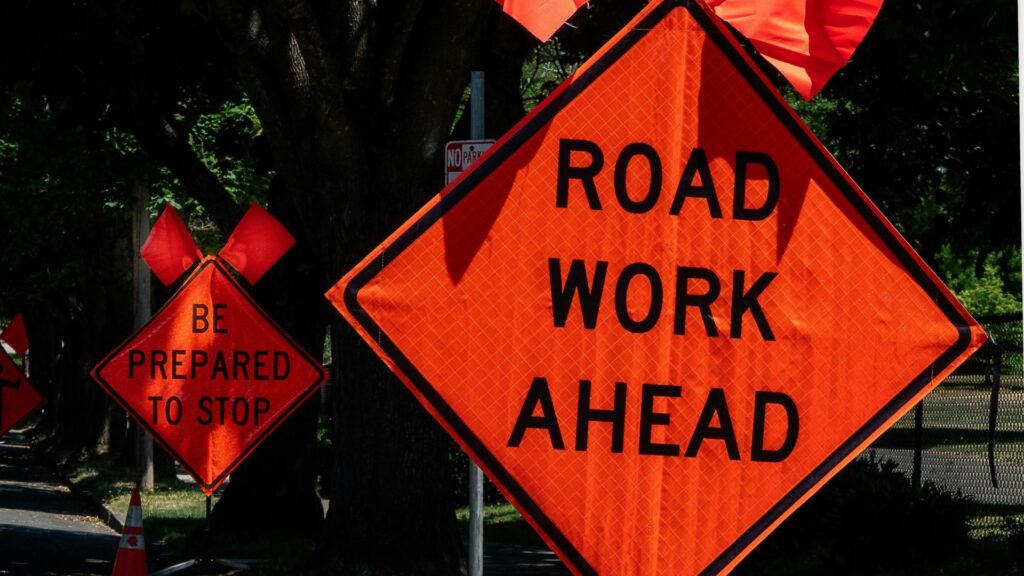
One of the most important things to understand about the maintenance of traffic MOT zone in a traffic control plan is that it is not a single area. It is made up of four distinct zones, each serving a specific purpose.
The advanced warning area is where motorists first learn that road work is ahead. Warning signs and variable message signs are placed at calculated distances based on posted speed limits, giving drivers enough time to slow down, change lanes, and prepare for changing road conditions.This section is critical because it sets the tone for everything that follows.
The transition area is where traffic shifts from its normal path into a modified flow pattern. This is where cones, temporary barriers, and pavement markings guide vehicles into a new lane alignment or detour traffic around the activity area. Poor transitions create confusion, increase accident risks, and endanger nearby workers.
The activity area is where the actual construction work takes place. It includes a buffer zone between the live lanes of traffic and the workers, equipment, and materials on site. Depending on the project, this may also include crash cushions, temporary barriers, and additional traffic control devices to protect construction workers from errant vehicles. The size and layout of this area depend on the nature of the work and the construction phase underway.
The termination area signals the end of the temporary traffic control zone. Signs in this section inform drivers that they are leaving the work zone and can resume normal speed. A well-designed termination area prevents abrupt transitions that can catch motorists off guard, reducing the chance of rear-end collisions near the end of the site.
A complete maintenance of traffic MOT zone does not happen by accident. It requires a formally documented traffic plan that outlines every device, sign, and operational element that will be used throughout the project. These are commonly referred to as TTC plans, or temporary traffic control plans.
For construction projects on public roadways, TTC plans must typically be reviewed and approved by the relevant department or agency before work begins. Depending on the location, this could involve city engineers, county transportation departments, or state agencies. The federal highway administration establishes national standards through the Manual on Uniform Traffic Control Devices (MUTCD), which guides how contractors select, place, and maintain uniform traffic control devices.
A thorough traffic control plan will include:
In some instances, a traffic engineer or certified professional must stamp and sign the plan before the governing agency grants approved maintenance status. This is especially common on highways or in situations involving complex intersections, real estate development projects, or multi-phase construction.
The importance of a properly designed and implemented maintenance of traffic zone goes well beyond regulatory compliance. Construction zones are among the most hazardous environments on the road. When temporary traffic control is incomplete or improperly executed, the consequences can be severe, resulting in accidents, injuries, delays, and costly project shutdowns.
For drivers, a clearly marked and well-maintained MOT zone reduces confusion and provides reliable guidance through unfamiliar road conditions. As for construction workers, it creates a critical barrier between live traffic and the work site. For project managers and contractors, a compliant mot plan reduces liability, speeds up permitting, and keeps the project on schedule.
Beyond individual construction projects, there are broader transportation considerations at play. Construction zones can affect regional traffic patterns, delay emergency vehicles, and restrict access to businesses and residences. A well-designed temporary traffic control plan balances the needs of the project with the demands of the surrounding transportation system.
The need for a maintenance of traffic zone arises across a wide range of projects and industries. Some of the most common situations include:
In each of these cases, the size, scope, and complexity of the mot plan will vary. A simple overnight lane closure may need a basic set of traffic control devices, while a long-term highway project may demand a multi-phase traffic management strategy with ongoing adjustments.

Developing and maintaining a traffic control plan is a significant responsibility. Poor design or implementation of a maintenance of traffic zone can lead to accidents, injuries, fines, and costly delays. Working with experienced professionals who understand both the technical requirements and real-world traffic dynamics is essential.</p>
At Capitol Barricade, our traffic control planning team has extensive experience developing compliant, detailed traffic control plans for projects of all types and sizes. We partner with contractors, public agencies, and developers to design compliant mot plans, streamline approvals, and keep everyone safe.
Need help with a maintenance of traffic MOT zone? Capitol Barricade is here to help. Our team will guide you from initial planning through implementation, making sure your temporary traffic control plan meets regulatory standards and keeps everyone protected.
<strong>Contact Capitol Barricade today or give us a call at (916)451-5176 to get started with professional traffic control planning services tailored to your project needs.