- 6001 Elvas Ave, Sacramento
- (916) 451-5176


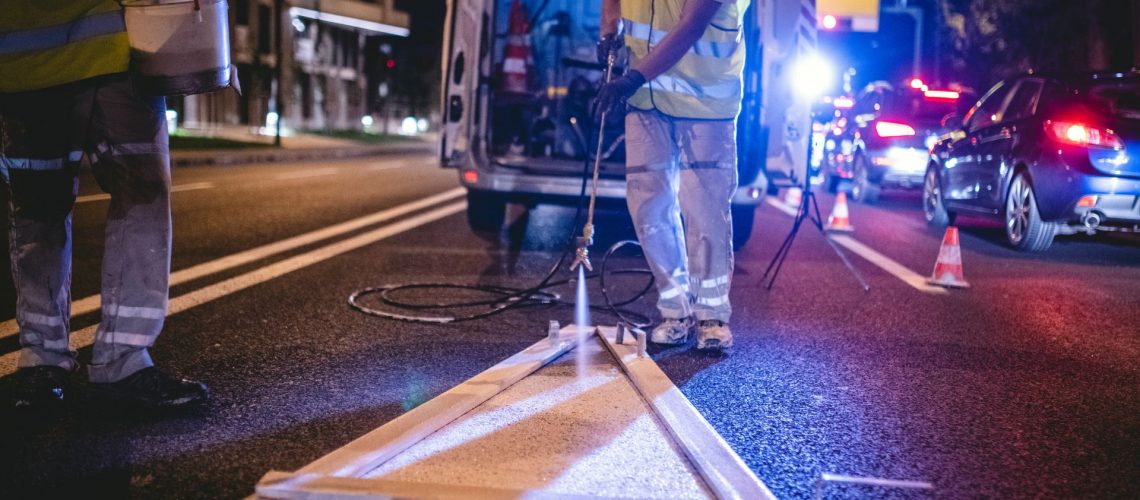
At Capitol Barricade, we understand that not every project can take place during daylight hours. Many roadway and construction projects must occur at night to minimize disruption to the traveling public, reduce congestion, and keep communities moving. While night work offers operational benefits, it also introduces unique safety challenges that require careful planning, experienced crews, and strict adherence to traffic control standards. Proper traffic control for night work is essential to protecting workers, motorists, and surrounding neighborhoods.
This guide outlines the key factors involved in managing after-hours road closures safely and effectively, drawing from real-world experience in work zone traffic control across highways, roadways, and local streets.
Night work locations face reduced visibility, changing road conditions, and higher risk from impaired drivers or vehicles traveling at high speeds. Other drivers may be fatigued, unfamiliar with detours, or distracted, making traffic control more difficult than during the day. These factors increase the importance of visibility, illumination, and clearly defined traffic patterns.
Work zones at night must account for:
Because of these risks, traffic control plans for night work require additional consideration beyond standard daytime operations.
Effective traffic control begins well before crews arrive on site. Each job site requires a review of roadway characteristics, traffic volumes, surrounding community concerns, and applicable requirements outlined in the Manual on Uniform Traffic Control Devices. Proper planning ensures that uniform traffic control devices are selected and placed to maintain safe movement through or around the work zone.
Key planning factors include:
At Capitol Barricade, our team reviews each site to identify risk factors and ensure all requirements are met before operations begin.
Visibility is one of the most critical components of traffic control for night work. Reduced natural light makes it more difficult for drivers to recognize lane shifts, flagger stations, and work vehicles. Proper illumination helps drivers identify hazards sooner and respond safely.
Temporary lighting is often required to supplement standard work zone devices. This may include floodlights, portable light towers, and providing additional lights on work vehicles. Lighting should be positioned to illuminate the worksite without creating glare or shadows that could confuse motorists.
Important lighting considerations include:
Illumination levels should support both worker safety and driver awareness while maintaining clear visibility of the roadway.
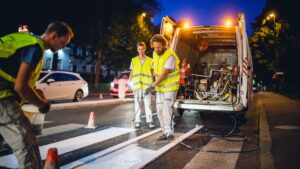
Night work zones rely heavily on properly maintained equipment and uniform traffic control devices. Retroreflective markings on cones, barricades, and signs help ensure visibility under headlights and patrol car lighting.
Equipment commonly used during night work includes:
All equipment must be inspected before deployment to confirm it is clean, functional, and visible. Worn or damaged devices can increase risk and undermine the effectiveness of traffic control.
In some night work locations, uniformed law enforcement officers play a critical role in maintaining traffic control and protecting workers. Lighted patrol cars provide a strong visual presence and help slow traffic approaching the work zone. Their involvement is especially important on high-speed roadways, complex intersections, or during full roadway closures.
Law enforcement support can help:
Coordination between traffic control teams and uniformed officers ensures consistent operations and rapid response to unexpected situations.
Worker safety is a top priority during night operations. All workers must wear high visibility apparel that meets required standards and remains visible under artificial lighting. Apparel should be kept clean and in good condition to maintain effectiveness.
Flagger stations must be positioned where drivers can see and react in time. Additional lights may be used to highlight flaggers, equipment, and work vehicles. Clear communication between workers, flaggers, and supervisors helps reduce confusion and keep drivers safe.
Key safety measures include:
These steps help minimize undue risks for workers and motorists alike.
After-hours road closures often require detours, lane shifts, or temporary traffic pattern changes. Traffic control teams clearly communicate these changes to drivers using signage, channelization, and lighting. Effective work zone traffic control guides drivers smoothly and predictably through or around the site.
Traffic control plans should account for:
Effective traffic control helps ensure drivers remain safe and reduces confusion that could lead to incidents.
Setup and removal are often the most dangerous phases of night work. Crews must work efficiently while maintaining visibility and protection from traffic. Lighted patrol cars, additional lights, and clear communication are especially important during these periods.
Throughout the night, traffic control operations should be reviewed and adjusted as needed. Road conditions, traffic behavior, and weather can change, requiring real-time decision-making. Regular review helps ensure that safety measures remain effective and that risks are managed proactively.
Night work plays a vital role in keeping roads maintained while minimizing disruption during the day. When done correctly, traffic control for night work protects workers, supports efficient construction operations, and keeps the traveling public safe.
At Capitol Barricade, we deliver effective traffic control solutions for night work and after-hours road closures. Our team understands the factors that affect nighttime safety and uses proven methods to keep every work zone properly illuminated, clearly marked, and professionally managed. With careful planning, quality equipment, and experienced crews, we ensure night operations run safely and efficiently across the roadway network.
Contact Capitol Barricade today for any questions or inquiries!