- 6001 Elvas Ave, Sacramento
- (916) 451-5176

Work zones are more than just cones and signs. They are carefully designed systems that promote California work zone safety and keep drivers, construction workers, and crews safe on highways, local streets, and utility work sites throughout the state. Properly implemented traffic control plans protect everyone and reduce the risk of work zone crashes, which can result from distracted driving, speeding, or aggressive behavior. At Capitol Barricade, we draw on our extensive work zone experience and guidance from licensed professional engineers. We understand the importance of designing safer work zones that comply with federal guidelines, California vehicle code sections, and Caltrans standards.
This blog explains the different areas of a work zone, Advance Warning Area, Transition Area, Buffer Area, Work Area, and Termination Area, in a clear, easy-to-understand way. We also highlight why proper setup is critical to California work zone safety.
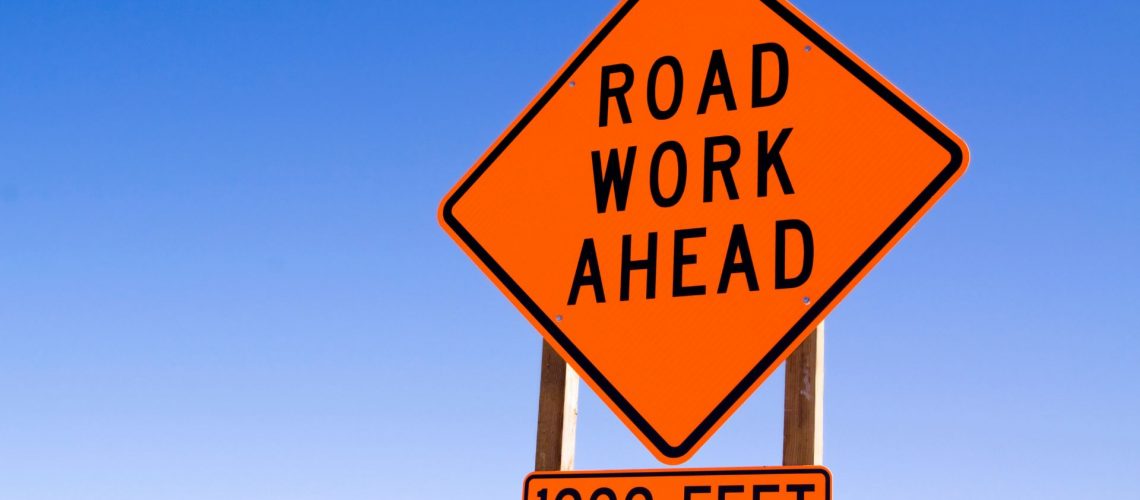
The first area motorists encounter in a work zone is the Advance Warning Area. This key feature is designed to alert drivers that road construction, maintenance, or utility work is ahead. Typically marked with warning signs, flashing amber lights, or pavement markings, the Advance Warning Area gives drivers ample space and time to slow down, merge early, and pay close attention to changing roadway situations encountered ahead.
On California highways, advance warning signs and traffic control devices must comply with the California Manual on Uniform Traffic Control Devices (MUTCD) and federal guidelines. Drivers may encounter flashing lights, warning signs, and channeling devices in this area. Public agencies and engineering and liability consultants stress the importance of drivers avoiding distractions such as mobile phones, changing radio stations, or otherwise distracted driving. The law requires drivers to obey posted speed limits, follow proper flagging procedures, and stay alert to ensure both public safety and work zone safety.
The Advance Warning Area is also where stationary or moving activities are first signaled. Whether it is highway work zones, railway maintenance work, or landscape work along local streets, proper signage and flashing amber lights communicate the need to reduce speed and anticipate merging traffic.
After the Advance Warning Area, drivers enter the Transition Area, where traffic is guided into new patterns. This area is especially important for California work zones that involve lane closures or shifts on high speed facilities or local streets. Channeling devices such as cones, barrels, barricades, and pavement markings create a clear path and ensure that drivers merge early and safely.
The Transition Area is critical because it is often where work zone crashes can occur. Without clear guidance, drivers may drive aggressively, fail to merge properly, or change lanes abruptly. Traffic control plans developed by licensed professional engineers account for short or long durations of construction or maintenance, utility work, and mobile activities. Proper taper lengths and channeling devices create safer work zones by reducing the likelihood of sudden stops or unsafe maneuvers.
For construction and maintenance activities close to moving traffic, the Transition Area provides space to manage both stationary or moving activities. Workers and construction crews can perform their duties while minimizing the risk of contact with drivers who might otherwise be distracted.
The Buffer Area acts as a safety cushion between traffic and the work area. This area is vital for protecting construction workers and crews working on road construction, maintenance, or utility work activities. By providing ample space, the Buffer Area allows drivers to stop safely if necessary and prevents vehicles from encroaching on the Work Area.
Buffer Areas typically include pavement markings, channeling devices, and sometimes the last traffic control device before reaching the active work area. For high speed facilities or complex roadway situations encountered in California work zones, the buffer ensures that drivers who fail to merge early still have time to adjust their speed and position. Proper flagging procedures and flashing lights also signal drivers to pay attention and stay alert.
Construction and maintenance teams rely on the Buffer Area to safely carry out stationary or moving activities. Cal OSHA sections and other safety regulations often dictate the minimum space requirements to create safer work zones. This area is essential in reducing work zone fatalities and work zone crashes caused by distracted or speeding drivers.
The Work Area is where active construction, maintenance, utility, or railway maintenance work occurs. Workers, crews working on landscape work, and crews performing maintenance or utility work activities close to traffic all rely on clearly marked traffic control devices and proper flagging procedures. Whether the work is on low volume roads or high speed facilities, construction crews need a safe environment to complete road work efficiently.
The Termination Area signals the end of the work zone. Traffic control crews gradually return drivers to normal traffic flow and remove or adjust traffic control devices according to the traffic control plan. Properly designing Termination Areas prevents abrupt transitions that can cause work zone crashes. Using the last traffic control device, channeling devices, and flashing amber lights, crews guide drivers to resume normal speed while staying alert for any remaining workers in the area.
Creating safer work zones in California requires attention to federal highway administration guidelines, state requirements, and local best practices. Here are several tips for public agencies, licensed professional engineers, and construction teams:
By following these practices, public agencies and contractors can create safer work zones, reduce liability, and comply with federal guidelines, Caltrans standards, and other California regulations.
Construction crews and traffic engineers carefully plan work zones to protect drivers, construction workers, and crews on roadways. Motorists first encounter the Advance Warning Area, which sets the tone for a safe journey through the zone. Properly designing Transition Areas, Buffer Areas, Work Areas, and Termination Areas helps maintain work zone safety and efficiency.
Capitol Barricade has decades of experience in providing traffic control devices, signage, and consulting support for California work zones. By following proper traffic control plans, training courses, and legal requirements outlined in the California vehicle code section, public agencies and contractors can significantly reduce work zone crashes, work zone fatalities, and injuries to construction and maintenance crews.
When it comes to safer work zones, attention to detail, proper planning, and adherence to federal and state standards make all the difference. Drivers should always expect the unexpected, stay alert, and avoid distractions to protect themselves and those who keep our roadways safe.
Need expert guidance on designing safer work zones? Contact Capitol Barricade today to consult with our experienced traffic control professionals.